

Tooth Pain & Saving Your Natural Teeth
Understanding Your Tooth
Understanding the basic anatomy of your tooth can help explain why endodontic treatment is sometimes necessary.
Your tooth consists of two primary parts:
-
Crown: The visible portion of the tooth above the gumline.
-
Root: The portion of the tooth beneath the gumline that anchors it in the surrounding bone.
Inside each root is a narrow channel called the root canal. This space contains the dental pulp, which includes nerves, blood vessels, and connective tissue. The pulp helps the tooth develop and provides sensory function.
The pulp can become damaged or infected due to several conditions, including:
-
Deep tooth decay
-
Repeated or extensive dental procedures
-
Cracked or fractured teeth
-
Dental injuries or trauma
-
Bacterial infection
When the pulp becomes irreversibly damaged, endodontic treatment may be necessary to remove the affected tissue, clean the inside of the tooth, and seal the root canal system.
Although the pulp is removed, the surrounding tissues continue to support the tooth, allowing it to remain functional.
Understanding Tooth Pain
Tooth pain can have several causes, and the type of discomfort you experience may provide clues about what is happening inside or around your tooth. However, only a dental examination can determine the underlying cause.
Here are some common types of tooth pain and what they may indicate.
Brief Sensitivity to Hot or Cold
If sensitivity lasts only a few moments, it may be related to gum recession, exposed root surfaces, or a loose filling.
What to do: Try toothpaste formulated for sensitive teeth and use a soft-bristled toothbrush. If sensitivity continues, schedule an evaluation with your dentist.
Sensitivity After Dental Treatment
Some dental procedures can temporarily irritate the pulp, resulting in sensitivity to hot or cold foods and beverages.
What to do: Monitor your symptoms and contact your dentist if discomfort persists, worsens, or concerns you.
Sharp Pain When Biting Down
Pain when chewing or biting may be associated with tooth decay, a damaged filling, or a cracked tooth. In some cases, the pulp may also be affected.
What to do: Have your tooth evaluated by a dentist. If a crack or pulp damage is suspected, you may need an endodontic evaluation.
Lingering Pain After Hot or Cold Foods
Pain that continues after exposure to hot or cold temperatures may indicate inflammation or damage to the dental pulp.
What to do: Schedule a dental evaluation to determine whether root canal treatment or another procedure is necessary.
Severe, Constant Pain or Swelling
Persistent tooth pain, pressure, swelling, or tenderness may indicate an infection or dental abscess.
What to do: Seek prompt dental care. Swelling accompanied by fever or spreading facial swelling requires urgent evaluation. Difficulty breathing or swallowing requires emergency medical attention.
Dull Pain in the Upper Teeth or Jaw
Sinus pressure and teeth grinding can sometimes cause discomfort in the upper teeth and jaw.
What to do: Consult your dentist or physician to determine whether your symptoms are dental or related to another condition.
Pain in the Head, Neck, or Ear
Certain dental conditions can cause referred pain that extends beyond the affected tooth. However, other dental or medical conditions may also be responsible.
What to do: Schedule an evaluation to identify the source of your discomfort.
The Importance of Saving Your Natural Teeth
Whenever possible, preserving your natural teeth is generally the preferred option for long-term oral health.
Endodontic treatment can help maintain your natural smile while allowing you to continue using your tooth normally.
Benefits of saving your natural tooth include:
-
Maintaining normal chewing and biting function
-
Preserving your natural smile and appearance
-
Maintaining the natural alignment of surrounding teeth
-
Avoiding the need for extraction and subsequent tooth replacement
-
Reducing the potential need for additional restorative procedures
Tips for Saving Your Teeth
-
Ask about root canal treatment before choosing extraction. If a tooth is damaged or infected, ask your dentist whether it can be preserved through endodontic treatment.
-
Seek a second opinion when appropriate. If you are told a tooth cannot be saved, consider asking whether an endodontist can evaluate it.
-
Address tooth pain early. Delaying treatment can allow dental problems to progress and potentially reduce treatment options.
-
Maintain regular dental visits. Routine examinations help identify decay, fractures, and other concerns before they become more serious.
-
Protect your teeth from injury. Wear a mouthguard during sports and avoid chewing hard objects that could damage your teeth.
Why Root Canal Treatment May Be Better Than Extraction
When a tooth can be successfully treated, root canal therapy allows you to keep your natural tooth rather than replacing it with an artificial alternative.
Extraction may initially seem like a simpler or less expensive option, but replacing a missing tooth with a bridge, denture, or implant involves additional treatment considerations and costs.
Root canal treatment is designed to eliminate infection or damaged pulp while preserving the remaining natural tooth structure. A restorative dentist will typically recommend a crown or other restoration when needed to protect the treated tooth.
Frequently Asked Questions About Endodontic Treatment
What is endodontics?
Endodontics is a specialty of dentistry focused on treating the dental pulp and tissues surrounding the roots of teeth. Endodontic procedures are designed to eliminate infection, relieve pain, and preserve natural teeth.
Why would I need a root canal?
A root canal may be recommended when the pulp inside your tooth becomes inflamed, infected, or irreversibly damaged. This can happen because of deep decay, cracks, fractures, dental trauma, or repeated dental procedures.
Is root canal treatment painful?
Modern root canal treatment is performed using local anesthesia to help keep patients comfortable. Most patients report that the procedure feels similar to having a filling. Treatment is intended to relieve the discomfort caused by an infected or damaged tooth.
Are dental X-rays safe?
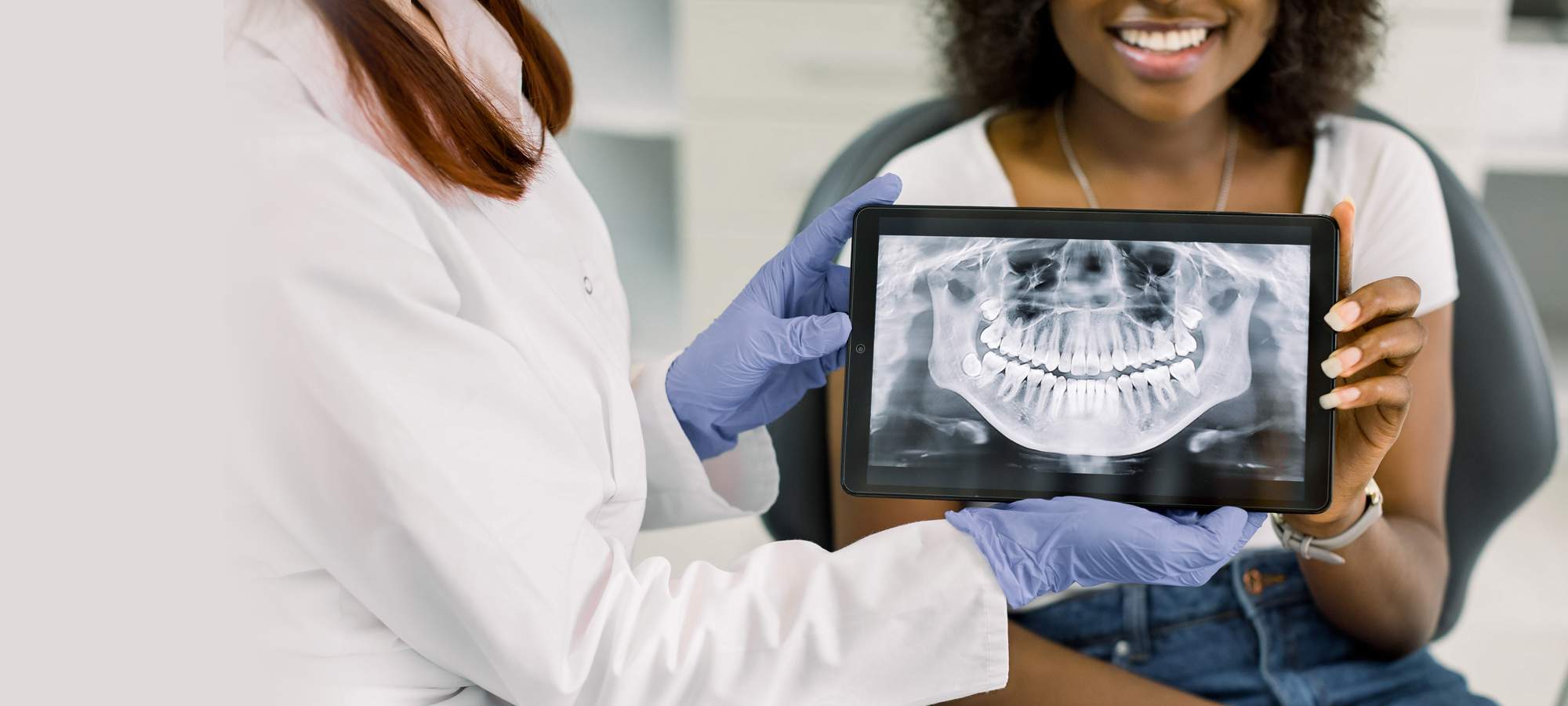
Dental X-rays are an important diagnostic tool that allows your endodontist to examine the tooth roots and surrounding structures. Orange County Endodontics uses digital radiography, which produces lower radiation exposure than traditional film-based dental X-rays.
How does Orange County Endodontics prevent infection?
Our practice follows established infection-control and sterilization protocols. Instrument sterilization and appropriate protective barriers are used to maintain a clean and safe treatment environment.
What happens after root canal treatment?
After your root canal is completed, information about your treatment is provided to your general dentist. You will typically need a follow-up appointment with your restorative dentist to determine whether a permanent filling or crown is necessary to protect the treated tooth.
Will my tooth function normally after a root canal?
Yes. After successful endodontic treatment and appropriate restoration, your tooth can continue to function normally. The surrounding tissues remain in place and continue supporting the tooth.
What technology is used during endodontic treatment?
Endodontic practices use specialized technology to improve diagnostic accuracy and treatment precision. At Orange County Endodontics, technology includes digital radiography and operating microscopes.
Operating Microscopes: Magnification and fiber-optic illumination allow the doctor to examine small details inside the tooth that may be difficult to see with the naked eye.
Digital Radiography: Digital imaging allows the doctor to examine tooth roots and surrounding structures while reducing radiation exposure compared with traditional film-based imaging.
Schedule an Appointment at Orange County Endodontics
If you are experiencing tooth pain, have been referred for root canal treatment, or want to learn more about preserving your natural teeth, Orange County Endodontics is here to help.
Dr. Ethan Do and our team provide specialized endodontic care to patients throughout Tustin and surrounding Orange County communities.
Contact our office to discuss your symptoms, ask questions, or schedule an appointment.